Table of Content
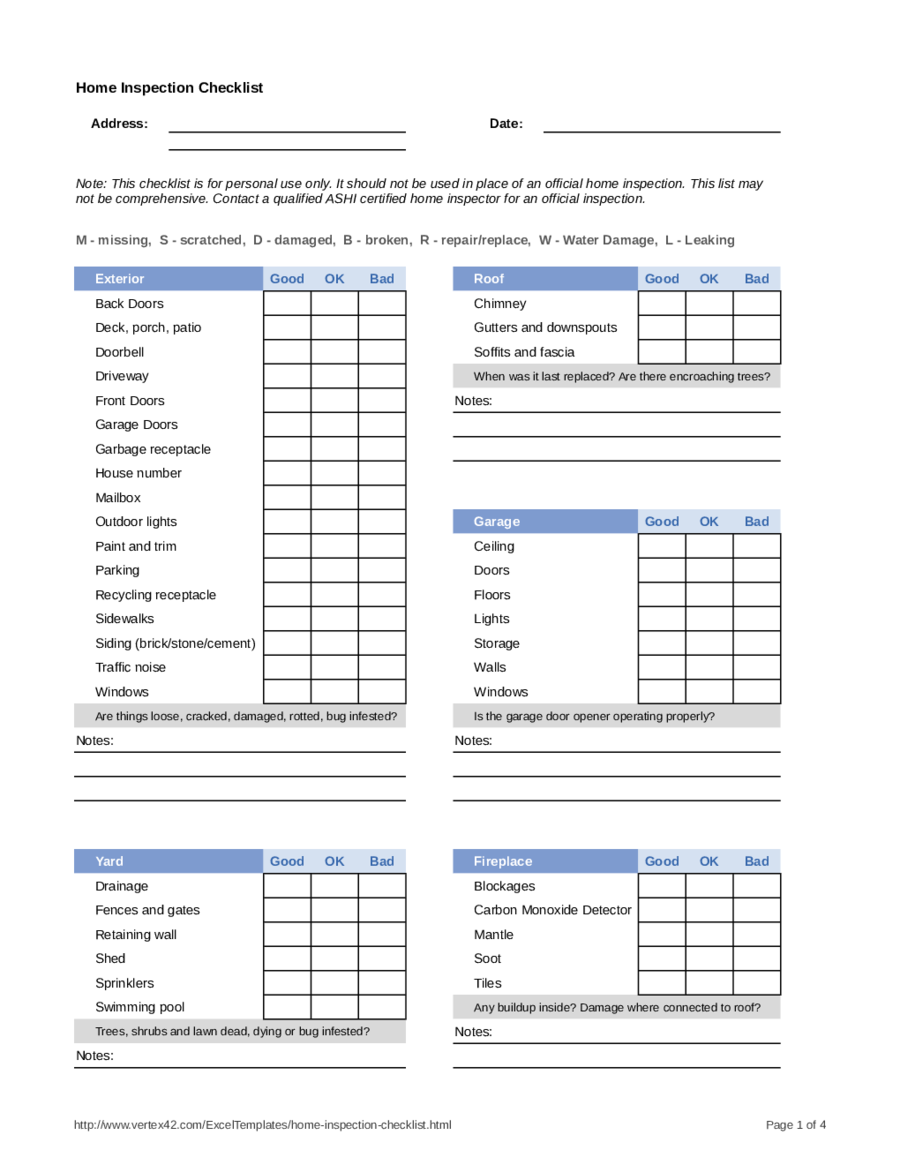
The reason for these exclusions is that inspectors are most focused on reviewing the house itself — rather than elements that can be seen as extras to a property. Luckily, these items are typically things you can check during a walkthrough. Moving to the opposite end of the house, the basement or crawl space is another component of the home inspection checklist. The inspector will look for moisture and evidence of pests, as well as foundational, structural, and insulation-related issues. If your house has a crawl space, the area will be inspected for similar problems. On the attic and roof, he’ll likely focus on the shingles, gutters, exterior vents, flashing, soffits, chimneys, and fascia boards.
It helps ensure the structure including grounds, roof, attic, exterior, and interior of the house are in good condition. Eric Swiatek is a licensed home inspector with over two decades of experience in the housing industry and an up-to-date radon testing license. He has performed over 1,500 property inspections and currently owns a home inspection business in Ohio. Prior to starting his home inspection business, Eric worked as a Project Manager for the US Dept. of Housing and Urban Development for 18 years. With a well-rounded knowledge base, he provides clients with the information needed to make an informed decision in their home-buying process.
The Home Inspection Contingency
Slow drainage implies a minor clog that can be fixed with a plunger, and stagnant water implies significant drainage issues. Homeowners need to know if the roof is in good condition or if it may need repair or replacement, which will be determined based on the accuracy and details documented on the roof inspection report. The attic is often overlooked when a prospective buyer visits a home, but it can hold important clues to the overall structural integrity of the property. The examiner will make sure he doesn’t find poorly installed insulation, structural damage, improper ventilation, and exhaust or plumbing pipes that end in the vicinity.
You may have to navigate a tight crawlspace in a new home, be aware of asbestos in older homes, or inspect an older water heater that is rusty. It’s also possible that the driveways are cracked, air filters are clogged with harmful contaminants, or termites have infested wooden areas. A house buyer should be able to identify and evaluate the most important components of the house on their own, even though they may be viewing the house with a professional inspector. Choosing detailed home inspections was one of the best decisions we made while buying our home. We understand and utilize the most effective practices in home inspections. Our owner,Eric Coates,is an elected official in leading home inspection associations both in the Triangle and throughout North Carolina.
Exterior
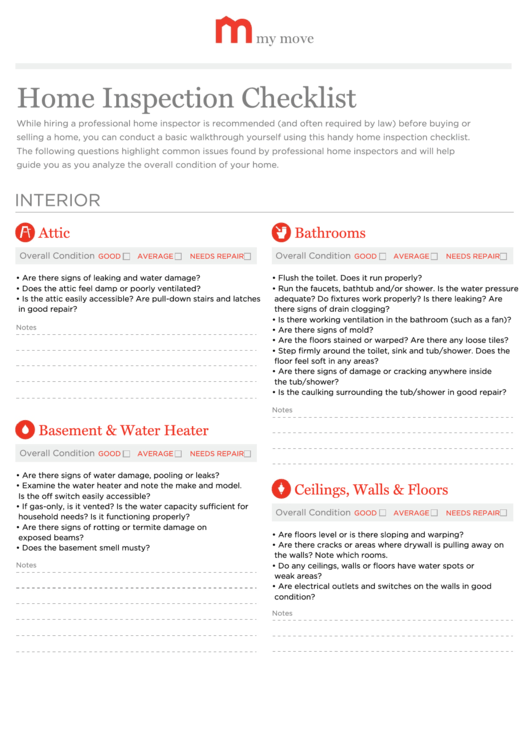
Missing a significant defect during an inspection may cost the first-time homeowner or buyer large sums of money for repair or replacement. The kitchen is a critical room in the house that requires a thorough inspection. Check the kitchen’s overall look to see if everything looks in place and leveled. Confirm if all the cabinets and drawers are functional and have no rot or other signs of water damage.
A detailed home inspection checklist helps keep you on track and ensures every bit of the home is inspected for an accurate report of the state of the house. Inspecting the HVAC systems involves turning on the heating system and the air conditioning one by one and observing the room’s temperature. Assuming the unit operates as designed with no visible leaks or electrical issues, they will then check the speed and efficiency of the heating or cooling system.
Pool & Spa Inspection Checklist
By bringing in a qualified home inspector, you can limit the risks of future repairs and get the information you need to make the right decision for your future. To be prepared, we recommend printing this checklist and keeping it handy throughout the home inspection. This company has a team of expert inspectors who can help you avoid surprises that you’ve never wanted to experience. This home inspection company can indeed, provide you with detailed information for easy decision-making on the purchase of the property.

It’s their job to make note of every flaw, so your report will likely have a lot of issues listed on it. This does not mean that everything is something that should cause concern – they’ll be able to help you discern what may be hazardous or a red flag. A home inspection usually takes place right after the seller accepts an offer from the buyer. After both parties sign the purchase agreement, the home goes into escrow. This process happens before or in the same timeframe as the appraisal. Yes, they do, which is why most professional home inspectors have insurance, although it’s not always mandatory.
Many homeowners also like to see reviews online or previous inspection reports to ensure they are getting a thorough inspector. Don’t be afraid to ask these questions before deciding to work with someone. You don’t want to let nerves get the best of you when it comes to protecting your finances. You’ve made an offer on a home, your offer was accepted, and now you’re in escrow waiting for inspection day. With a home inspection checklist by your side, you’ll move into the home of your dreams in no time. A property inspection list is a tool that serves as a guide for landlords to inspect the places or things they need to check.
Then select Detailed Home Inspections because we include the most important aspects of a thorough home inspection. But we’re so confident in our inspections that we’re willing to put our money where our mouth is. The latest real estate investing content delivered straight to your inbox. Two sets of eyes are always better than one, and you can’t guarantee your inspector will catch everything.
If you have concerns about anything you read in the report, you can ask the inspector for clarification or your real estate agent for advice. The information you review will help you decide whether or not to add contingencies to the purchase of the home. Once you’ve found the right contractor, make sure to come up with a list of questions to ask. As a rule of thumb, always ask how much the inspection will cost and a rundown for what it covers. There may be some specialized types of inspections that will come as an additional cost.
The average cost of a home inspection can range from $300 – $450, but varies depending on different factors such as the location, age and the size of the home. There are many steps in the home buying process, but few are as impactful as the home inspection. This company is a team of experts who are certified and have conducted countless inspections to different customers coming from various locations.
The report should include a review of where main panels are located, the main wiring method, whether there are smoke detectors and carbon monoxide alarms, and the amperage rating of service. This review may not extend to renewable energy systems, additional wiring systems and the efficacy of alarms. However, in many cases, home inspections serve to help the transaction continue smoothly. What happens if your inspection comes back clean but you find problems after you move in? First, the inspection will only cover things the inspector can see without tearing down walls. The inspector won’t claim responsibility for problems that are truly hidden, unless they missed what should have been obvious signs of a potential hidden problem.

They are looking for any problems with the property that can impact the safety, health, and wellbeing of all occupants and visitors to your property. While, in many instances, these defects may represent a construction code violation, they do not define these problems as code violations. However, some inspectors move area rugs or small items that may be used to hide damage to cover all bases. Check for efficient water flow, hot water and any signs of gas leaks. Home inspections can be intimidating, and while some issues are obvious, others require a trained professional. Make sure you understand everything involved in a home inspection so you can make the best decisions when you get the results.


No comments:
Post a Comment